Challenges to Democratic Representation
Amsterdam Institute for Social Science Research /AISSR
Challenges to Democratic Representation studies the consequences of current political developments and their historical roots for democratic governance. How do democratic regimes maintain political stability? To what extent can they deliver political equality, legitimacy and prevent societal polarization?
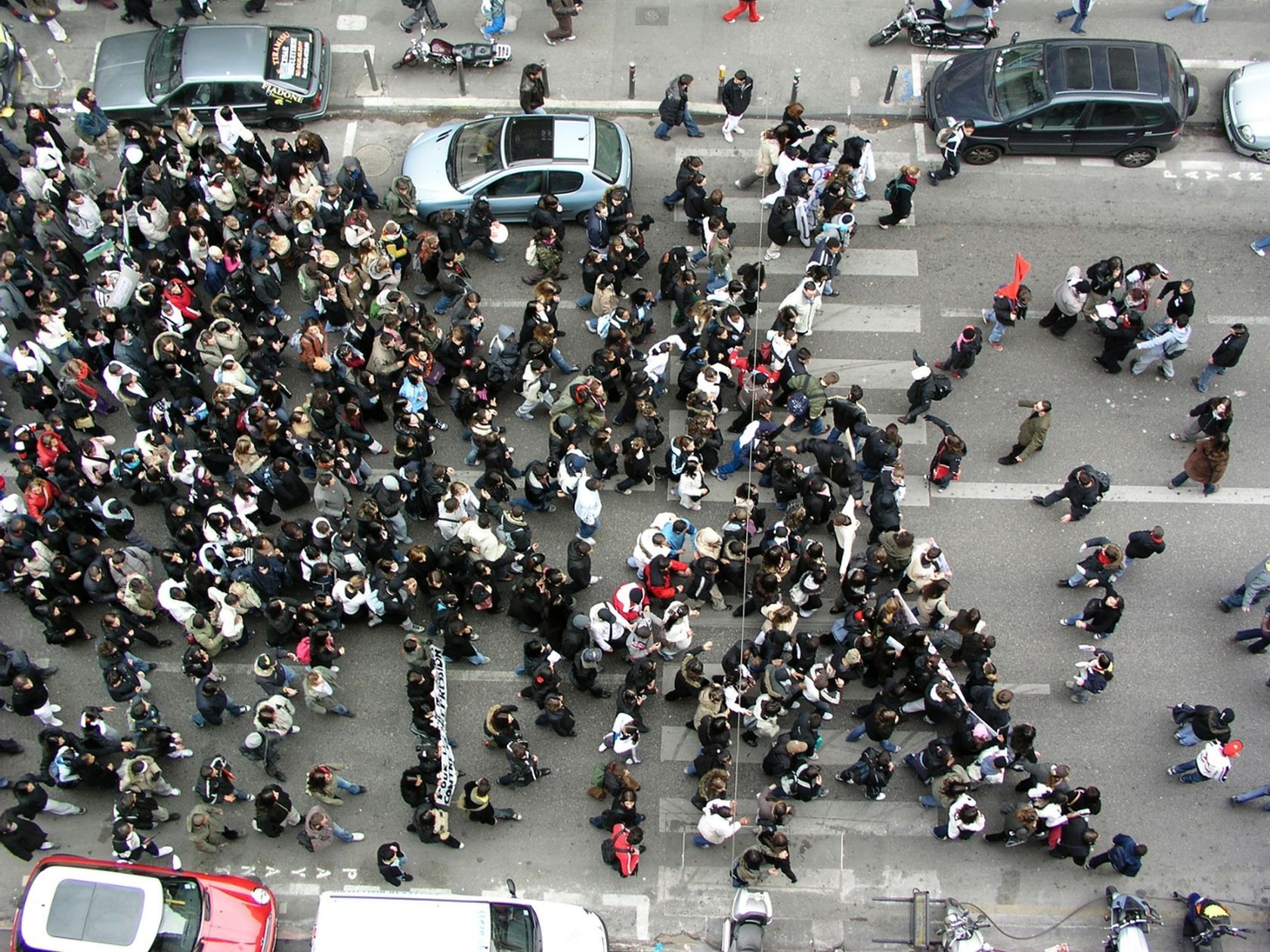
Two developments are particularly relevant for the research agenda of Challenges of Democratic Representation. The first is ‘democratic backsliding’, particularly in countries like Turkey, Hungary and Venezuela where elected leaders redesign institutional checks and balances to consolidate their power and insulate it from popular control. The role of courts, opposition parties, as well as the media are more and more limited, and elections become increasingly unfair. Second, traditional mainstream parties, particularly social democratic and Christian democratic parties, are losing ground to new challengers. Populist parties at both ends of the ideological spectrum have become new key players in several countries. While such shifts are part and parcel of electoral democracy, it does pose challenges to stable governance.
Challenges is a diverse group of around 20 faculty members and about as many postdocs and PhD students. The group is highly pluralist in terms of its methodological and paradigmatic approaches. Research is centred around, but not limited to, three broad themes:
Through theoretical and empirical research, the group aims to shed light on how democratic regimes can maintain stability, deliver political equality, legitimacy, and prevent polarisation amidst these complex and evolving dynamics.