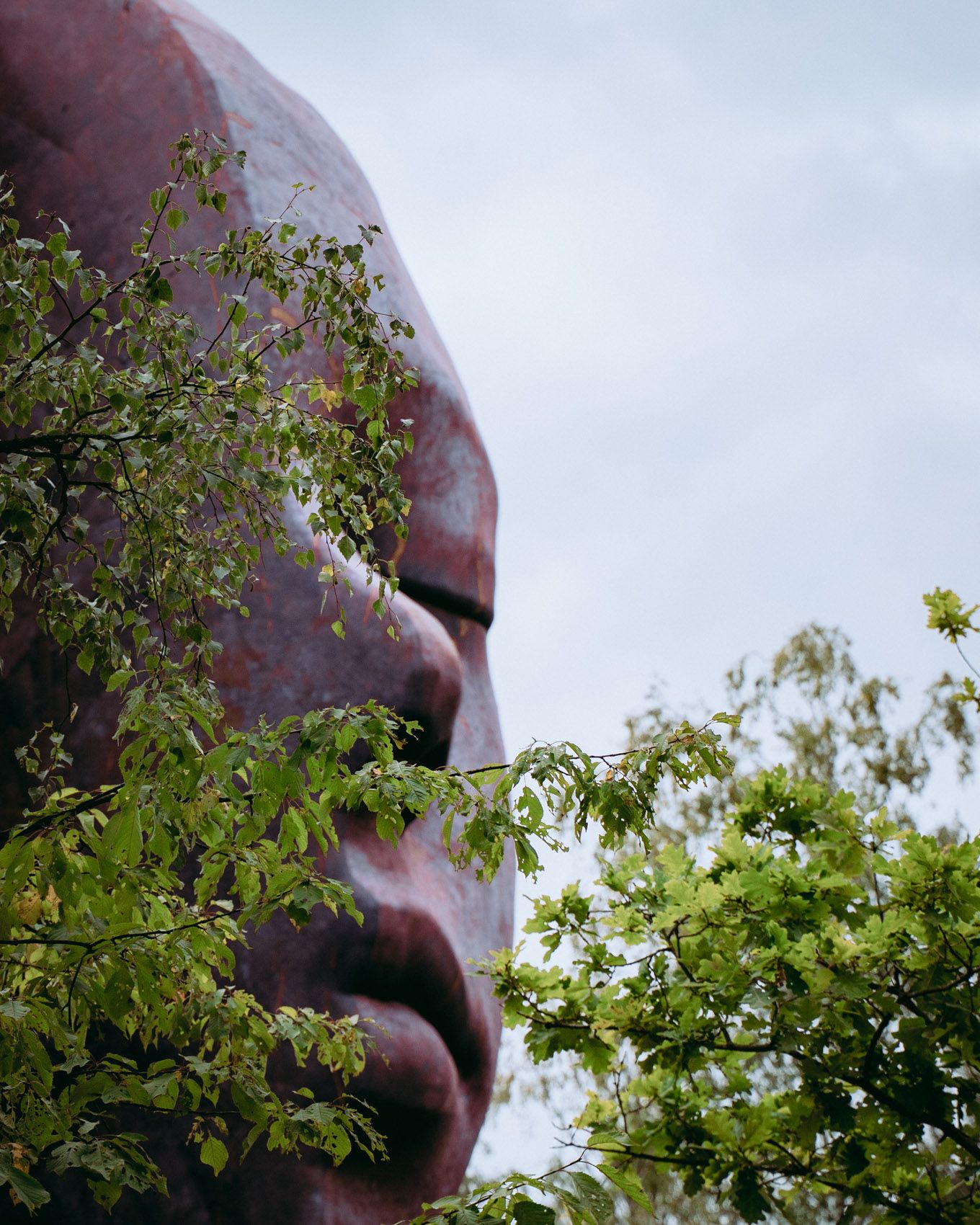
The Future We Should Inherit
Blog by Pelle Folman
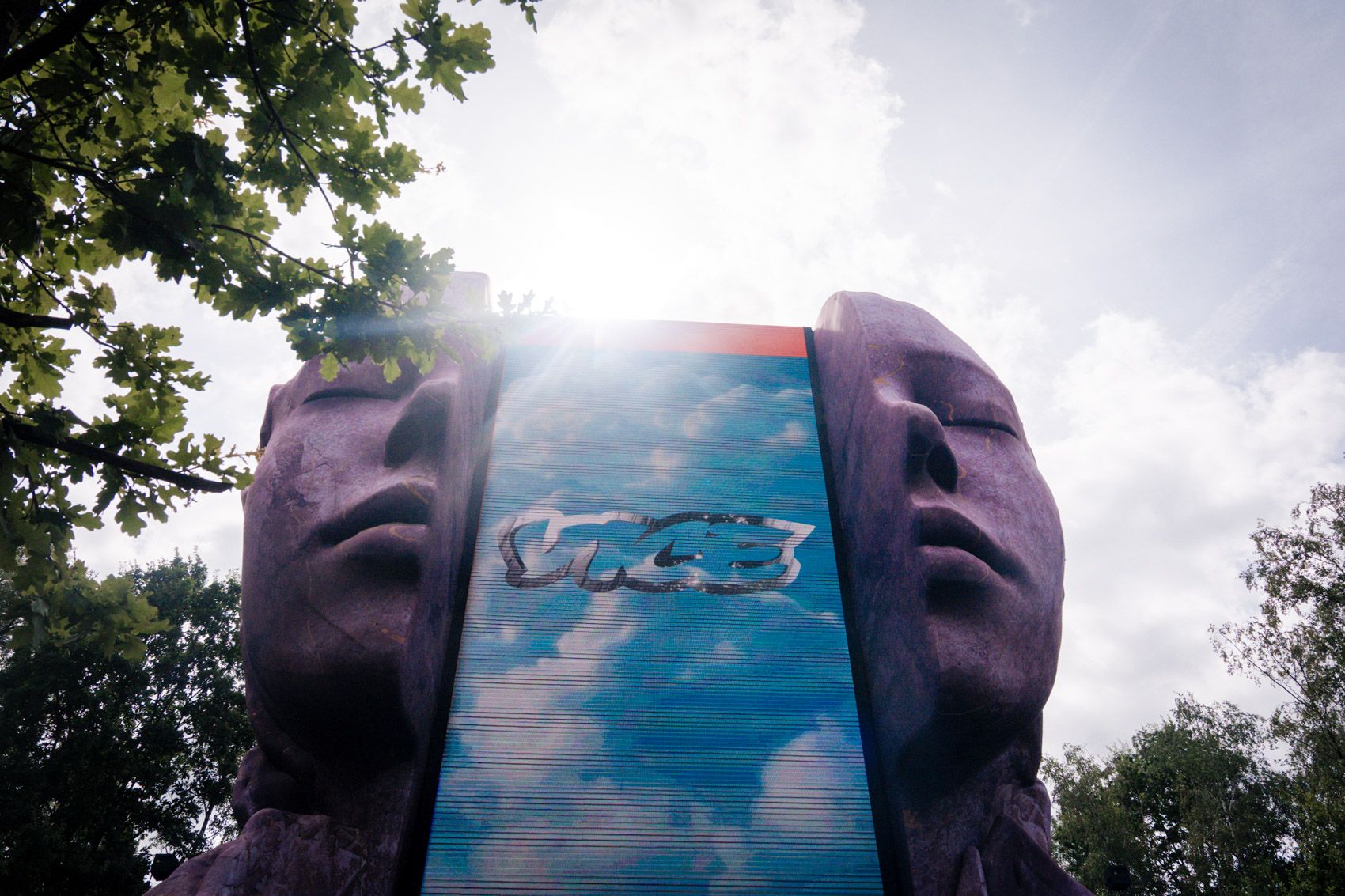
This summer, I represented VICE Europe at the Love Tomorrow Summit, the sustainability and innovation conference of Tomorrowland, one of Europe’s biggest and most renowned electronic music festivals. With a background in journalism, cultural anthropology, and international development, I had the privilege of curating and hosting a dedicated VICE stage at the summit. The aim was to bring together voices from different backgrounds, disciplines, and parts of the world, creating a space for perspectives that challenge the way we think about sustainability and social change.
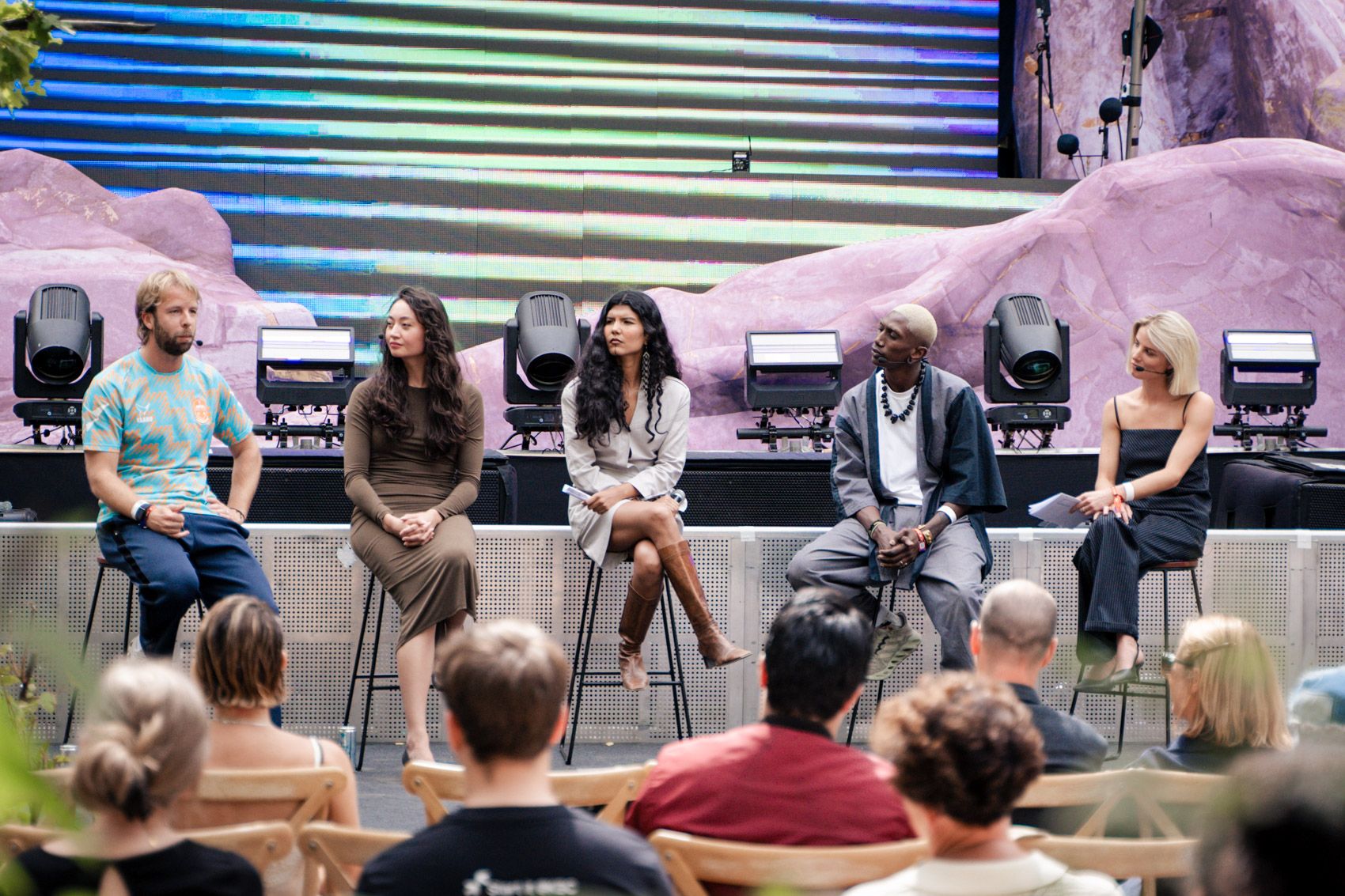
My approach to curating the programme was strongly influenced by my studies in international development. Throughout my master’s, I became increasingly aware of how easily promises of sustainability and positive change can remain abstract. We talk about building a more inclusive world, tackling inequality, and protecting our planet, but what do these ambitions actually look like in practice? Who gets to define what progress means, and whose voices are heard when we try to create it?
The programme sought to move beyond big promises and explore tangible solutions, grounded experiences, and perspectives that are often overlooked. Rather than focusing solely on established institutions or top-down approaches to development, it highlighted people and communities already creating change on the ground. Through individual speeches and performances, followed by a panel discussion, four speakers explored what a more sustainable and harmonious future could look like.
Across their contributions, four key insights emerged:
- Meaningful change starts with how we treat one another.
- Lasting change grows from the ground up, through local action and community ownership.
- Reconnecting with ourselves can help us reconnect with others.
- A sustainable future requires listening to Indigenous knowledge and rethinking our relationship with nature.
Together, these perspectives raised a simple but important question: what does a future worth inheriting actually start with?
From big ideas to everyday action
The first speaker was Amara Gabriela van der Elst. Through her speaking engagements and performances, she explores themes of social consciousness and collective responsibility. Using spoken word as a powerful and accessible art form, she creates space for reflection on our role in shaping a more sustainable future. Her work reminds us that change is not only about policies and systems, but also about the way we relate to one another.
The second speaker was Jan van Hövell, founder of Klabu, an organisation that builds sports clubs in refugee communities around the world. Klabu uses the power of sport to foster teamwork, inclusion, and mental wellbeing, helping people regain a sense of normalcy and belonging in challenging circumstances.
Klabu particularly resonated with my belief in the importance of grassroots development: the idea that lasting change is more likely to emerge when people are actively involved in shaping the solutions that affect their lives. Rather than treating refugees as passive recipients of aid, Klabu creates spaces where local communities can take ownership, build connections, and develop initiatives of their own. Its approach offers an alternative to development models in which decisions are often made far removed from the people they are intended to support. Through photographs and stories, Jan shared how a relatively small initiative can make a tangible difference, one community at a time.
The third speaker was Gilberto Gomes Leal, better known as Gil the Grid. In a world that often feels fragmented and fast-paced, Gil offers a refreshing approach to reconnecting with ourselves through the body. He introduced the Amenti MoveMeant method, a practice that encourages grounding, awareness, and authentic expression through movement. His work explores how reconnecting with our bodies can also change the way we relate to other people and the world around us.
The final speaker of the VICE programme was Zaya Guarani. Born and raised in the heart of the Amazon rainforest, Zaya became the first Indigenous model from the Amazon to gain international recognition. Today, she uses her platform to advocate for Indigenous rights and climate justice.
Discussions about sustainability and climate change too often take place without giving sufficient space to the people who experience their consequences firsthand, or to those whose knowledge has been shaped by generations of living in close relationship with the natural world. Zaya brought a perspective rooted in lived experience rather than abstract debate, reminding the audience that Indigenous communities are not simply affected by environmental change; they also hold knowledge, values, and ways of living that can fundamentally challenge how we understand our relationship with nature.
Together, the four speakers approached the question of a better future from very different angles: through art, grassroots action, movement, and Indigenous knowledge. Their individual contributions laid the groundwork for a panel discussion exploring how these perspectives connect, what stands in the way of change, and what we can do to create a more harmonious world.
1. Meaningful change starts with how we treat one another
During the panel discussion, I asked the speakers: “If you could change one thing before 2030 to create a more harmonious world, what would that be?”
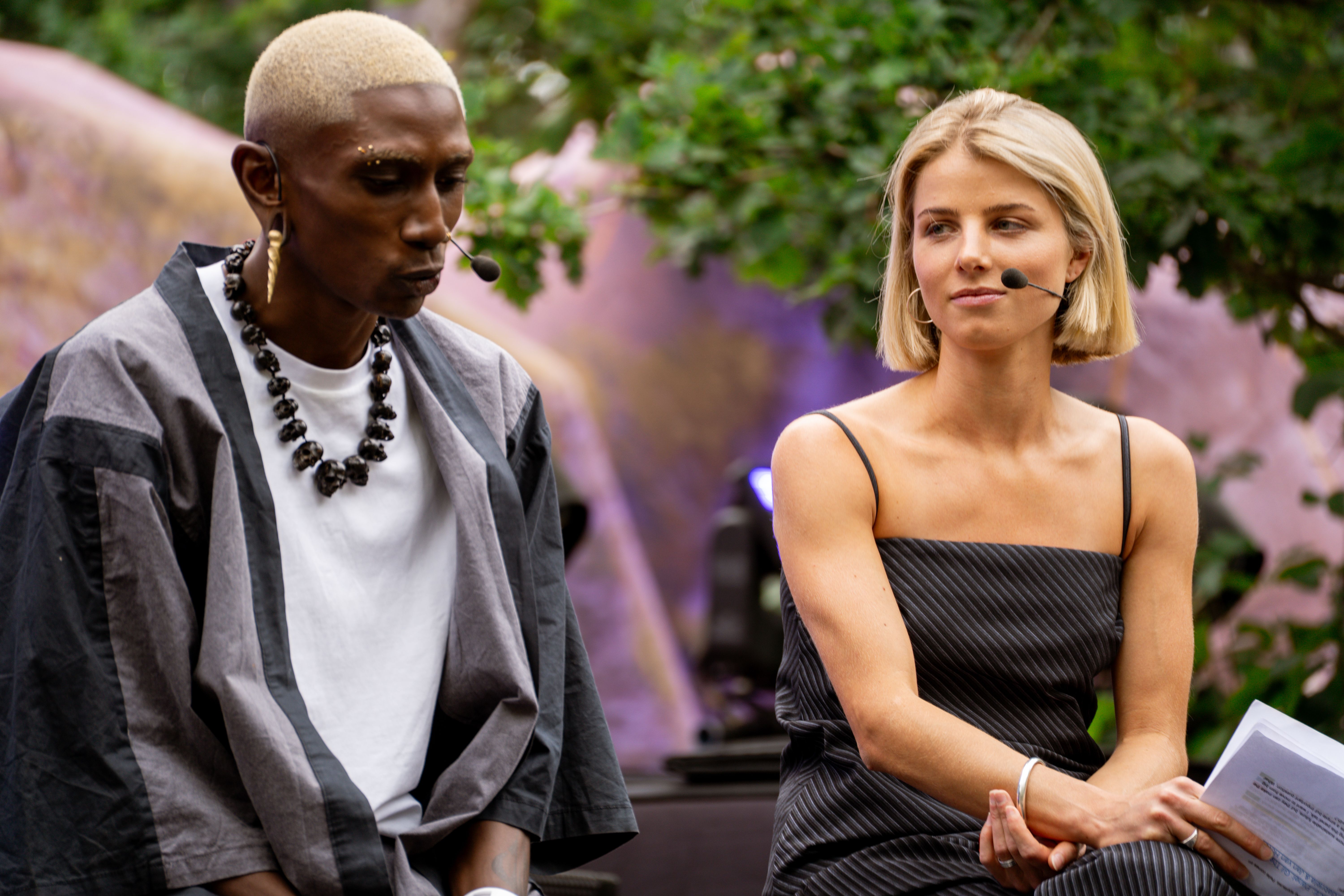
Gil spoke about unity, describing it not as an abstract ideal but as something we must actively practise. For him, coming together also requires us to acknowledge and heal our own wounds. As he put it, “Hurt people hurt people.”
Amara reflected on love as a central force in our lives, while pointing out how abstract the concept can become when we try to put it into practice. What does it actually mean to act from a place of love? For Amara, love is a skill that can be learned and cultivated. It should have a place in education, from childhood into adulthood, through concrete actions and the language to express them. Building a better world, she suggested, also means learning how to care for one another.
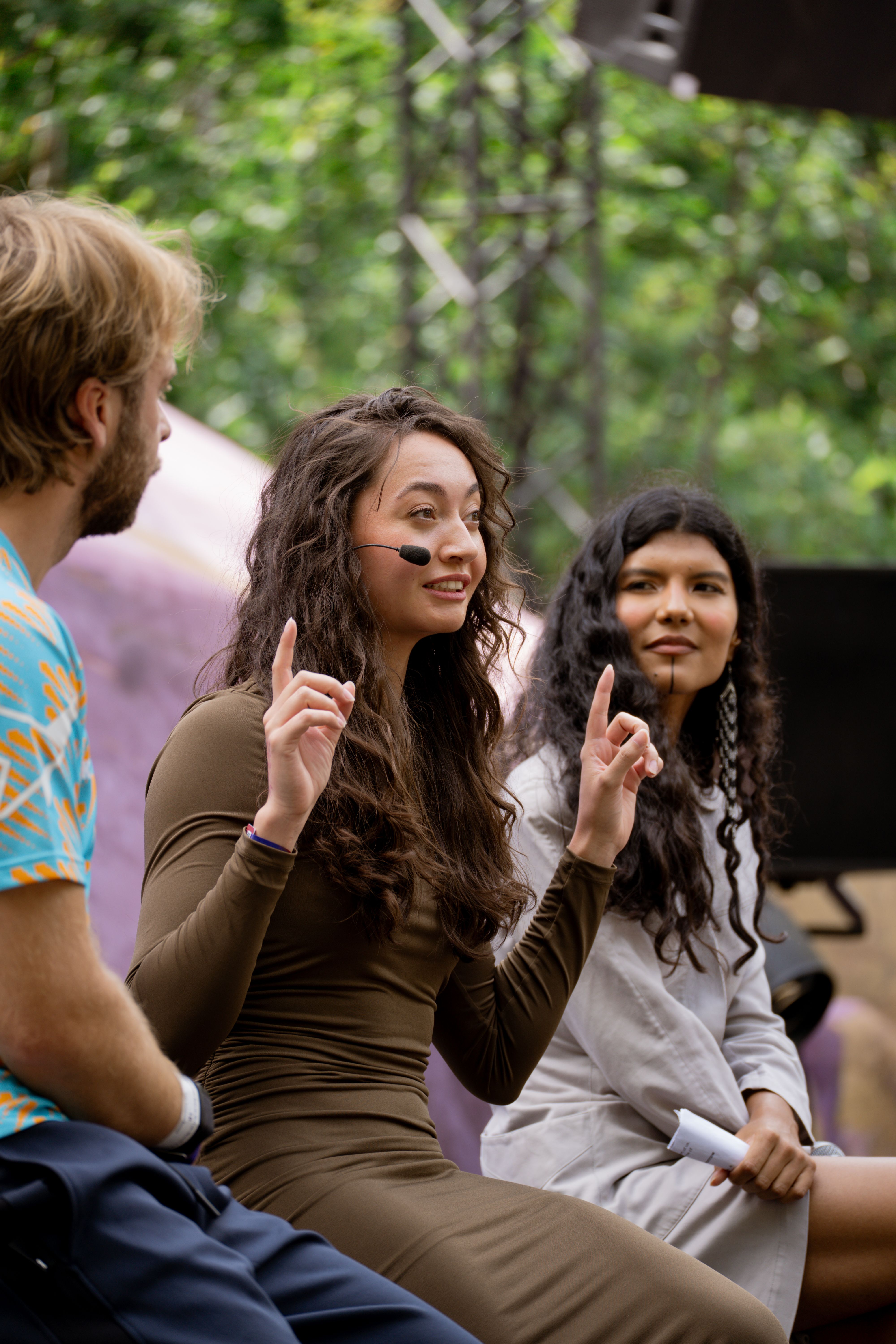
Amara's practical invitation was to start small: be kind to one another, make time for loved ones, and smile at a neighbour. She also emphasised the importance of stillness and presence. By taking time to listen, both inwardly and outwardly, we become more attentive to ourselves and our surroundings. Learning to be present with ourselves, she suggested, helps us become more present in the world.
2. Lasting change grows from the ground up
When the discussion turned to how love and connection can translate into action, Jan's work with Klabu offered a concrete example.
I asked whether sport could be a form of love, and why it can sometimes achieve what politics cannot. Jan explained that when people play together, they do not necessarily need to speak the same language or share the same background. They connect through the game itself. Winning or losing becomes secondary to the experience of being part of a team.
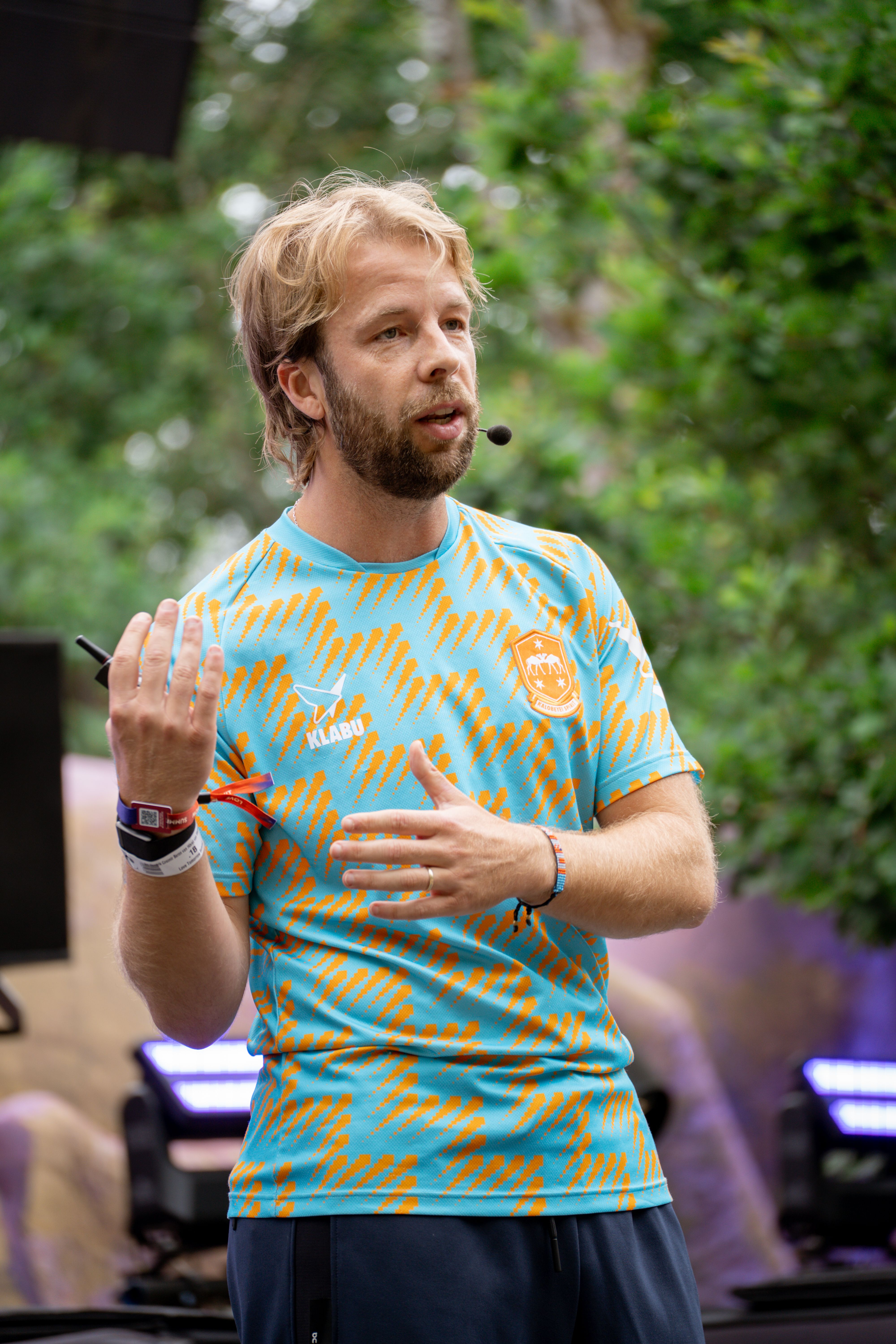
He also spoke candidly about the limitations of large-scale humanitarian systems, particularly at a time when funding is being cut and organisations are under pressure. His message was that we do not always need to wait for governments or major institutions to act. More people could contribute by starting small, local initiatives of their own. For Jan, grassroots action is not about replacing larger organisations, but about recognising that meaningful support can also begin with a handful of people deciding to do something together.
The conversation also raised a broader question about how we approach sustainability and social change. Are we willing to question the assumptions behind the systems we have built? And are we prepared to listen to perspectives that challenge the way we have always done things?
These questions are particularly relevant in international development, where good intentions do not always translate into meaningful outcomes. Solutions designed far away from the communities they are intended to help can overlook local knowledge, priorities, and agency. Whether we are talking about humanitarian aid or climate action, listening to the people closest to a challenge is essential if we want our responses to have a lasting impact.
Jan's practical suggestion was direct: pick up the phone and ask someone from an asylum seeker centre to join you for a game of sport. Supporting refugees does not have to mean travelling to a refugee camp or launching a large-scale initiative. There are people in our own neighbourhoods who are too often overlooked, including undocumented people who face significant barriers to accessing basic services and participating fully in society.
Through Klabu, Jan tries to create opportunities for people who are not always invited to participate. But the underlying principle extends far beyond sport. It can begin with asking someone how they are, offering a smile, or making an effort to include someone who might otherwise be left out. Sometimes, meaningful change starts by noticing the people we have learned to look past.
3. Reconnecting with ourselves can help us reconnect with others
The discussion also explored the obstacles that prevent us from building a more harmonious World.
Gil reflected on what he sees as a dominant Western tendency to prioritise the mind over the body. From an early age, we are taught to think, analyse, and process information, while often paying less attention to our physical experiences and instincts. Yet our bodies are part of nature, too. By learning to listen to the signals our bodies give us, Gil argued, we can begin to reconnect with ourselves and, in turn, with others.
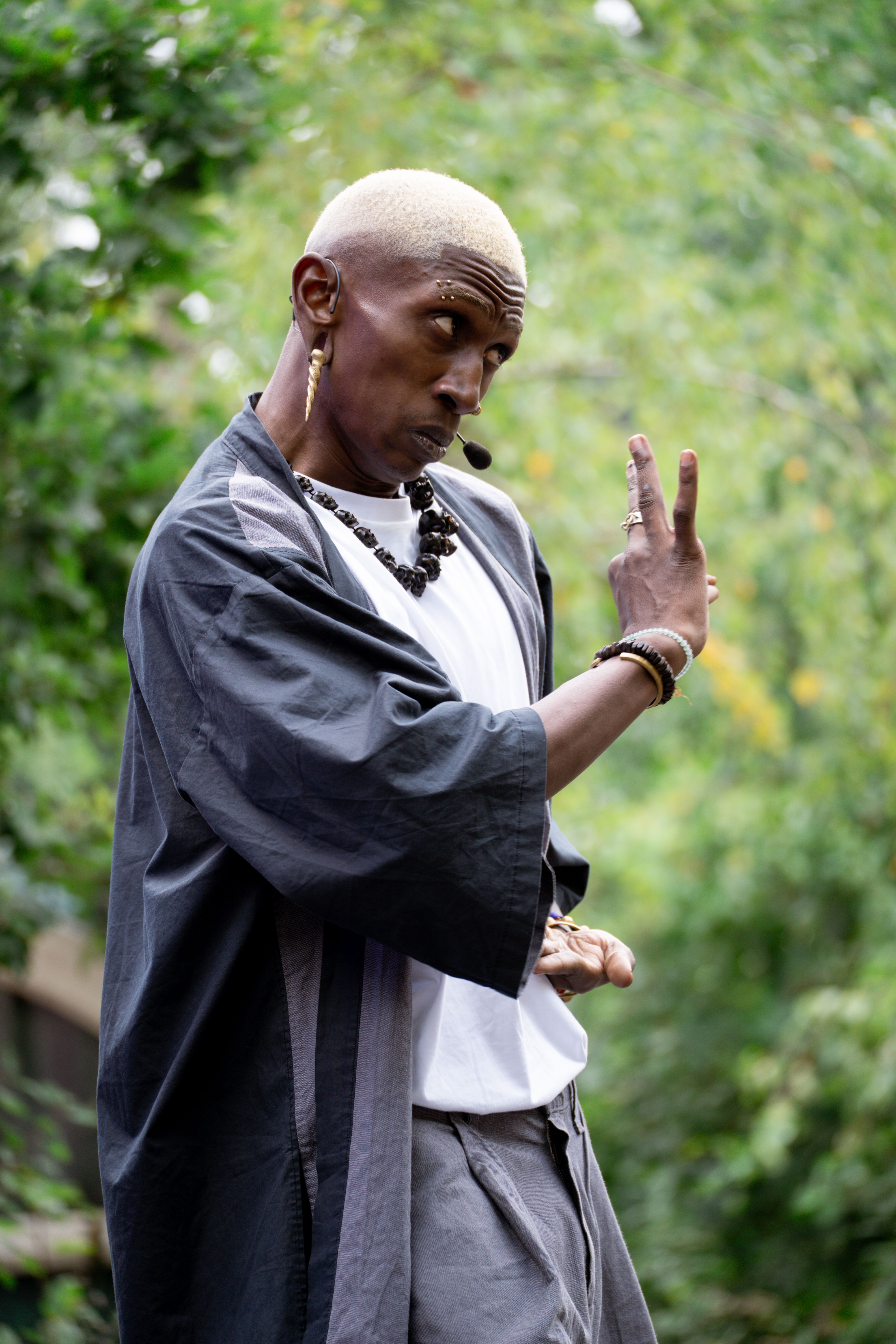
Our disconnection from one another, he suggested, may partly stem from our disconnection from ourselves. Although we often behave as if we inhabit separate worlds, we share the experience of being human. Reconnecting with the body can be a way of rediscovering that common ground.
Gil's practical advice was to develop a daily movement ritual, however small, and listen to the body's signals. Starting the day with movement and joy can change the energy we bring into our interactions with others. For him, learning to feel at home in our own bodies is an important step towards living more consciously and connecting more deeply.
4. A sustainable future requires listening to Indigenous knowledge
Zaya brought the conversation back to our relationship with the natural world. Growing up in the Amazon rainforest taught her that humans are not separate from nature. Even the walls of a city are built from the earth beneath our feet; the forest, in her words, is an extension of us. Nature offers us refuge and a way to reconnect with ourselves, but this relationship also comes with responsibility. We must learn to be humble, honour what nature gives us, and recognise that we are part of something much larger than ourselves. Her perspective challenges the idea that nature is simply a resource to be managed or protected from a distance. Instead, it invites us to reconsider how we live within the ecosystems that sustain us.
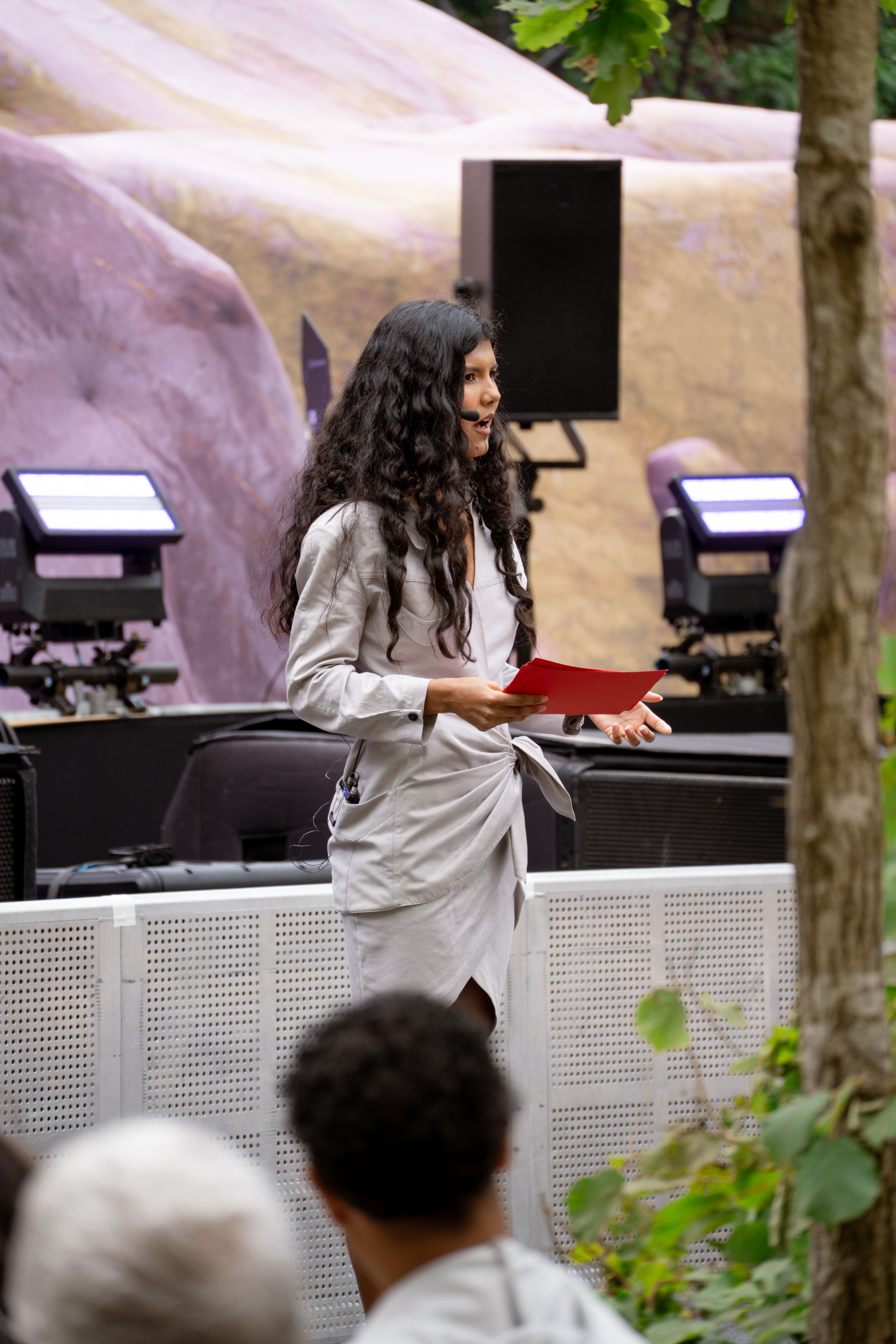
It also raises a broader question about whose knowledge shapes environmental decision-making. Indigenous communities are often discussed in terms of their vulnerability to environmental destruction, while their knowledge, values, and ways of living can receive far less attention. Listening to these perspectives means more than inviting Indigenous voices into a conversation. It means taking their knowledge seriously when considering how we live, how we define progress, and how we approach environmental protection.
Zaya's practical advice was simple: touch the grass. Growing up in the Amazon, she learned to approach the forest with respect, asking permission before entering an ecosystem and recognising the nourishment and presence it can offer. She encouraged the audience to rediscover this relationship with nature, even in urban environments.
When asked how she maintains this connection while living in a city, she explained that she visits the forest every week and keeps plants in her apartment. She also tries to preserve the ways of living and the beliefs passed down by her ancestors. For Zaya, staying connected to nature is not simply about occasionally escaping the city. It is about maintaining a relationship with the natural world as an integral part of everyday life.
The future we should inherit
The speeches, performances, and panel discussion at the VICE stage brought together perspectives that are not always heard in the same conversation. What stood out was how differently the speakers approached the idea of a better future, yet how often their messages overlapped.
Their contributions were not grand promises or universal solutions. They were invitations to act: to learn how to love, to create spaces where people feel they belong, to reconnect with our bodies, to listen to Indigenous knowledge, and to pay attention to the people and environments around us.
This is also what I take away from my studies in international development: meaningful change cannot be measured by the ambition of a promise alone. We need to look at how that promise translates into practice, whose voices shape the process, and whether people have the opportunity to take ownership of the change happening in their communities.
Klabu is one example of what this can look like. By creating opportunities for people in refugee communities to connect and participate, it demonstrates how a relatively small, locally grounded initiative can contribute to something much bigger. Zaya's perspective offers a complementary lesson: we cannot hope to build a sustainable future without listening to those whose lives and knowledge are deeply connected to the ecosystems we are trying to protect.
Neither approach offers a quick fix to the complex challenges we face. But both remind us that change does not have to begin with a grand intervention. It can begin by listening, sharing ownership and taking the people closest to a challenge seriously.
The programme at the Love Tomorrow Summit was intended to leave the audience feeling inspired and motivated. More than that, it offered a different understanding of what creating a better future requires. Not simply more ambitious sustainability promises, but more concrete action. Not solutions imposed from above, but initiatives that grow from the ground up. And not a future imagined on behalf of others, but one built together with them.
Perhaps a future worth inheriting starts exactly there: with the willingness to listen, the courage to act, and the humility to recognise that we do not have all the answers ourselves.