Governing Climate Risk in Delta Regions
Strategies for Adaptation, Resilience, and Environmental Stewardship
- Date
- 27 November 2025
- Time
- 16:00 -17:30
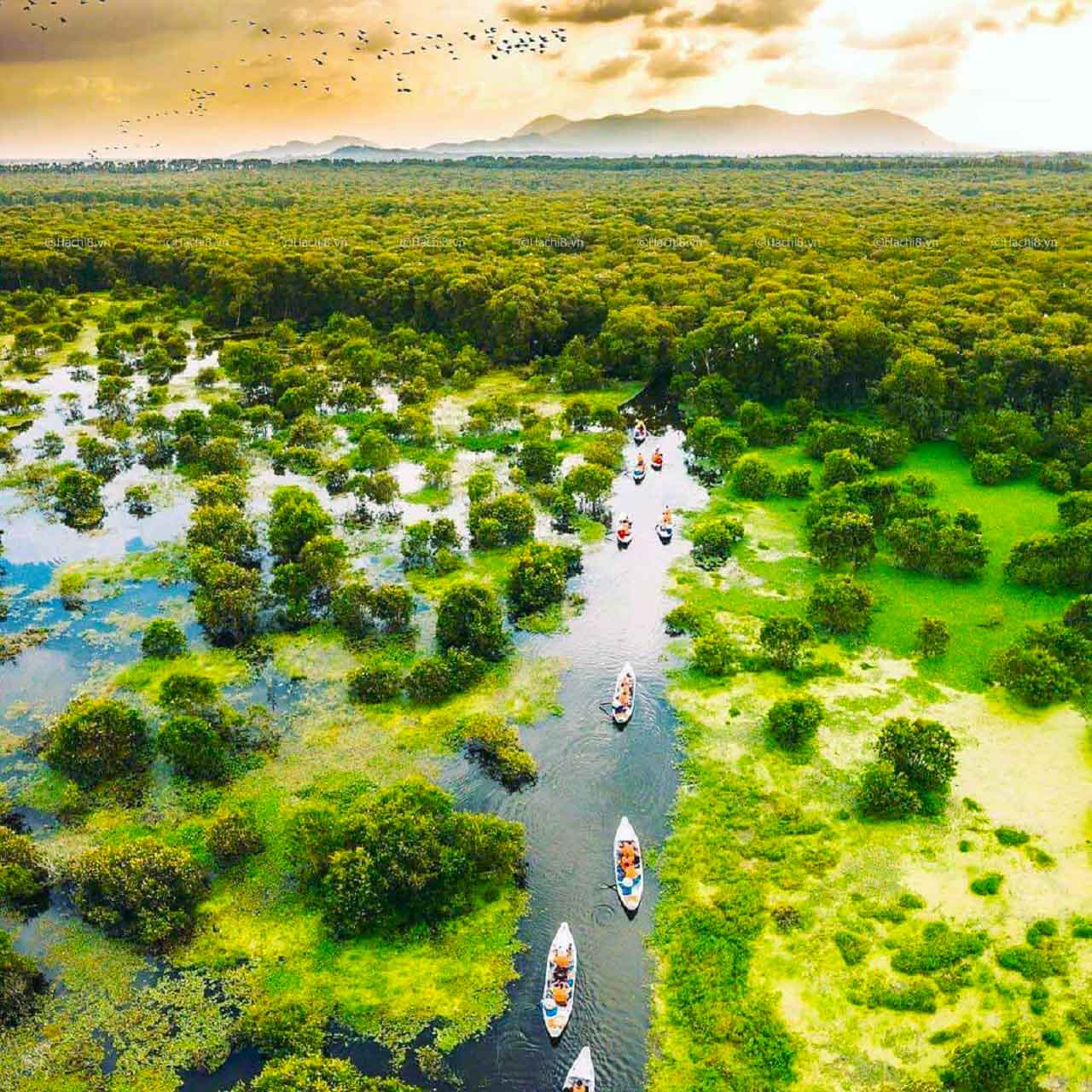
The Mekong Delta is one of the world’s most productive and climate-vulnerable regions. Three deeply experienced experts will share grounded, practical insights on what works, what fails, and what needs to change in how we design and evaluate adaptation interventions.
Dr. Symonekeo Sensathith Thomas will discuss lessons from a Green Climate Fund project in the Mekong Delta, examining the effectiveness of mangrove restoration and resilient housing initiatives. She will highlight gaps between project objectives and real outcomes, the limitations of post-project evaluations, and key reforms needed to strengthen learning and replication under the UNFCCC.
Dr. Andrew Wyatt (of the International Union for Conservation of Nature) will unpack the “coastal squeeze” along the delta’s shoreline – driven by sea-level rise, declining sediment loads, and subsidence – and explain why hybrid nature-based solutions that combine engineered structures with ecological restoration are becoming essential for coastal protection.
Prof. Daniel P. Loucks (of Cornell University) will provide a broader view of the pressures facing major river deltas worldwide, drawing lessons from the Mekong Basin. He will show how better hydropower planning, adding solar panels to existing reservoirs, and reducing sand mining and water extraction can help maintain the natural flows that keep delta systems productive and resilient. These nature-aligned management strategies protect biodiversity, sustain agriculture, and support livelihoods, offering practical insights for the more than 30 vulnerable delta region facing similar pressures worldwide.
Together, these presentations will offer a comprehensive view of the technical, ecological, and governance challenges facing delta regions, while illuminating wider lessons for designing effective, context-responsive adaptation and resilience strategies in different settings around the world.
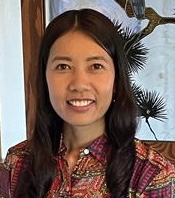
Symonekeo Sensathith Thomas is a scholar-practitioner in sustainable international development with expertise in climate adaptation, finance, governance, and international cultural tourism. She holds a Doctor of International Affairs from Johns Hopkins School of Advanced International Studies, and a Ph.D. in International Cultural Tourism from Rikkyo University.
With over 20 years of experience across academia, international organizations, and consulting, she has taught and conducted field research across Southeast Asia and has worked with the World Bank, the Government of Japan, and international NGOs.
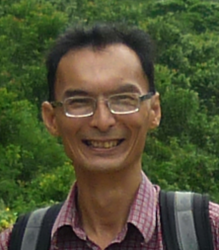
Andrew Wyatt is the Deputy Head for the Lower Mekong Sub-Region at International Union for Conservation of Nature. With more than 25 years of experience in research, project leadership, and policy engagement across the Mekong Region, he leads initiatives on climate change adaptation, nature-based solutions, agro-ecological transitions, and coastal resilience.
His work has supported national and regional delta strategies such as the Dutch Mekong Delta Plan Implementation Program in Vietnam and Myanmar’s Integrated Ayeyarady Delta Strategy. He contributes to IUCN’s global and regional work in climate change, agriculture and Nature Based Solutions.
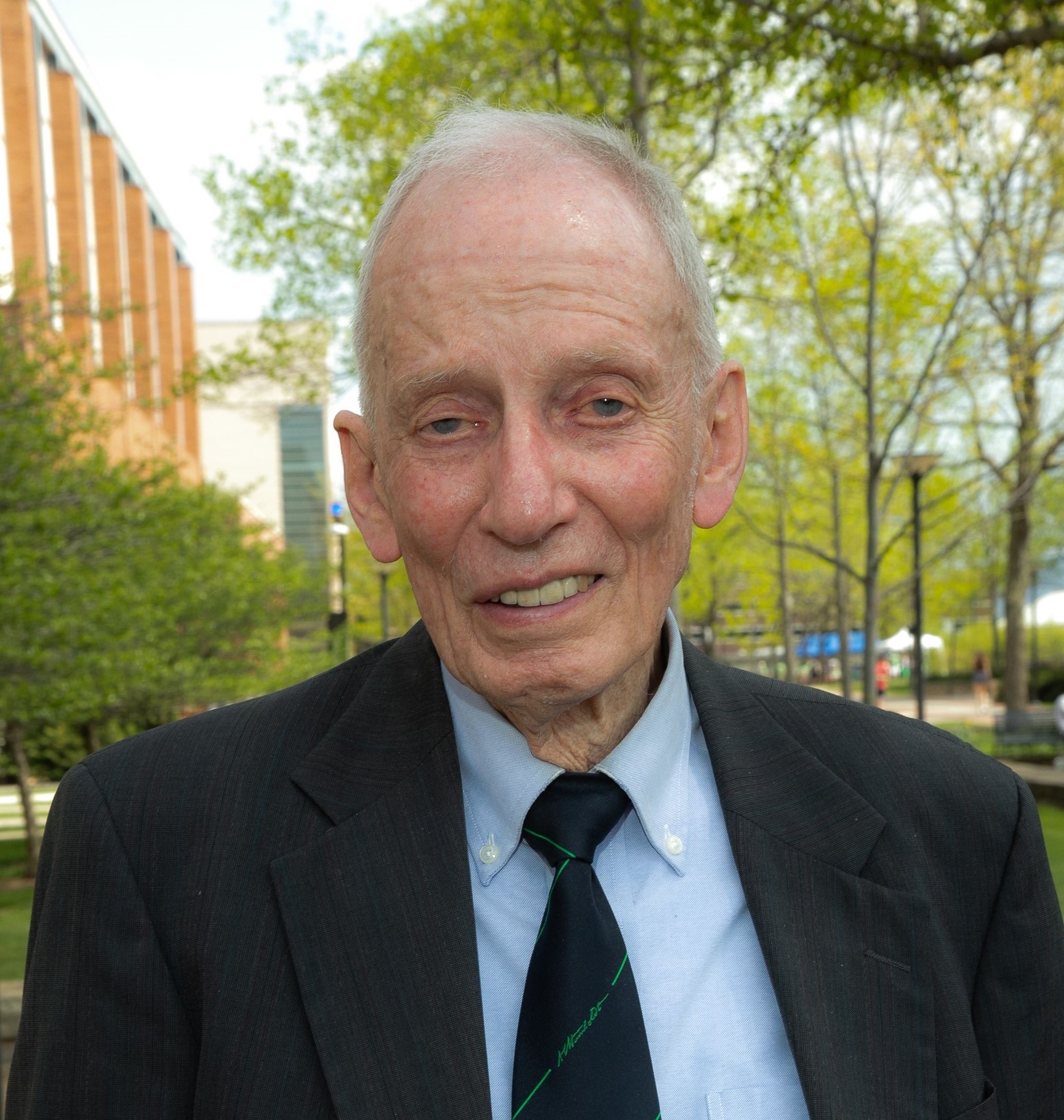
Daniel P. Loucks is Professor Emeritus at Cornell University, where he served on the faculties of Civil and Environmental Engineering and Public Policy. His work focuses on applying systems analysis, ecology, and economics to complex water and environmental management challenges.
He has held visiting positions at leading universities including Harvard, MIT, TU Delft, TU Wien, Vienna, and UNESCO-IHE, and has advised the World Bank, UN agencies, and national governments across Asia, Europe, Australia, Africa, and the Americas. He is a member of the U.S. National Academy of Engineering and a recipient of multiple international research awards.