Academia is on Fire: Beyond Unsustainability, the Ideology of Growth and Capitalism
Open lecture and debate with John Barry
- Date
- 12 June 2026
- Time
- 15:30 -17:00
- Location
- Roeterseilandcampus - building A
- Room
- A2.07
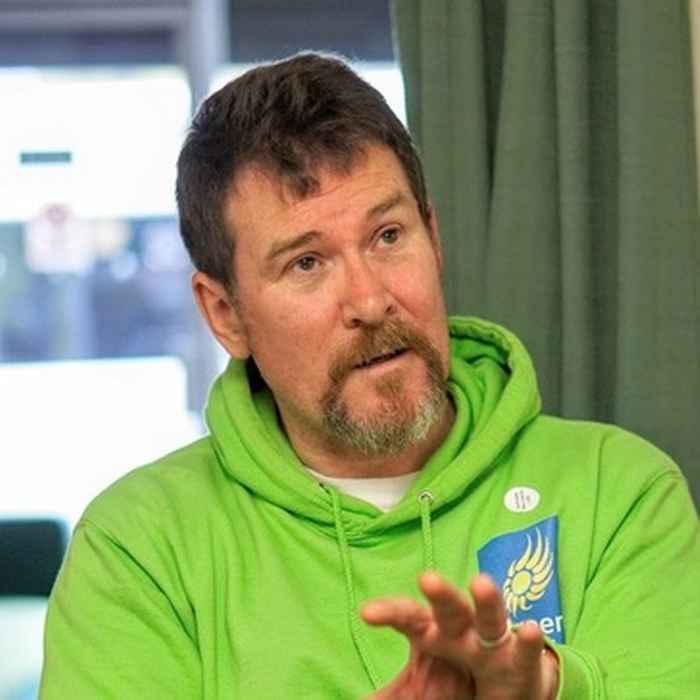
If we are facing a planetary crisis, why does academia continue with a largely ‘business as usual’ approach? What responsibility do universities have in responding to climate breakdown, ecological degradation, and growing social inequalities?
In this lecture, John Barry reflects on how academia should transform itself in the context of the Anthropocene and the intersecting crises of our time. He argues that universities often contribute to the reproduction of unsustainability through their ties to extractive industries, the pursuit of economic growth, and the continued teaching of unsustainable ideas and practices.
At the same time, universities are uniquely positioned to become drivers of social and ecological transformation. Rather than reinforcing existing political and economic systems, Barry explores how academic institutions could redirect their resources, knowledge, and influence towards more just and regenerative futures.
The lecture invites researchers, teachers, students, and professional staff to consider a fundamental question: should universities remain part of the problem, or become active agents of radical change?
About the speaker
John Barry is Professor of Green Political Economy at Queen's University Belfast. His research focuses on sustainability, climate politics, post-growth economics, and social transformation. He is the author of several influential books, including The Politics of Actually Existing Unsustainability (2012), The State and the Global Ecological Crisis (2005, with Robyn Eckersley), and Environment and Social Theory (1999; second edition 2007). He also co-chairs the Belfast Climate Commission.
Open to all, no registration required
Organisers
This event is hosted by the Postgrowth Cities Coalition, part of the University of Amsterdam. The coalition brings together scholars, activists, and practitioners working towards socially just and ecologically regenerative forms of urbanisation, while advancing research and public debate on post-growth and degrowth futures.
For questions, please contact Rubén Vezzoni