The Social Science of Amsterdam: Doing a PhD as a Civil Servant in Amsterdam
AISSR video series highlights collaborative urban research
22 January 2026
In the video series The Social Science of Amsterdam, six AISSR researchers reflect on ongoing research projects that are deeply embedded in urban life. The videos highlight how social science contributes to understanding and addressing key urban challenges, from social cohesion and inequality to family life, participation and sustainable mobility.
The videos were originally produced for the AISSR Harvest Day 2025 (4 December), where they formed the starting point for interactive workshops between researchers, students and practitioners. They now offer a broader view of how social science research engages with the city of Amsterdam in practice.
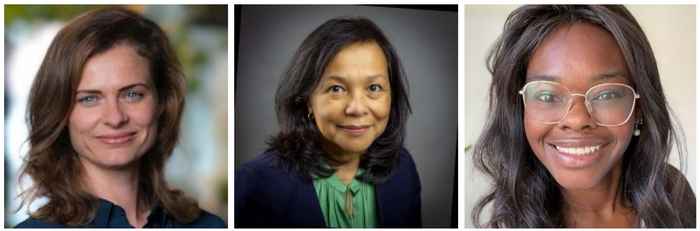
Inside the Work of Civil Servants-PhDs
In this 5th video in the series, we explore what it means to combine policy practice with academic research through PhD trajectories pursued from within municipal organisations. The video features three researchers integral to Amsterdam’s knowledge ecosystem:
-
Doutje Lettinga, Chief Science Officer, who facilitates the City’s PhD scheme designed to strengthen the knowledge infrastructure across governance and practice in Amsterdam;
-
Anne Sastromedjo, strategic advisor to the Executive Board of the City of Amsterdam, who earned her doctorate with De Ban van Bestuur, investigating how power works behind the organisation of Amsterdam’s governance; and
-
Siegnella Concincion, policy advisor and youth nurse at GGD Amsterdam, whose PhD Building Communicative Spaces with Children highlights the value of centring children’s perspectives in integrated care.
Anne’s research into power and decision-making within the city’s governance structures bridges bureaucratic experience and academic insight. Her findings have resonated beyond academia and been discussed in local political forums. Meanwhile, Siegnella’s work shows how deeply participatory approaches with children can enrich understanding of health and wellbeing in practice — bringing qualitative depth to questions that often default to quantitative measures.
As Doutje Lettinga explains in the video, the PhD scheme recognises that bridging practice and research not only enriches academic understanding, but also directly feeds back into policymaking and implementation. Civil servants engaging in research bring lived policy experience into their academic work, and bring research-grounded insights back into daily governance.
Together, their stories illustrate how embedded research, especially in the context of a major urban government, can generate knowledge that is both methodologically rigorous and immediately relevant to addressing complex urban challenges.