IMPULSE spotlight: Patrick McKearney on Intellectual Disability, Care and Belonging in the Global South
23 June 2026
To support early-career researchers following the discontinuation of national starter and stimulation grants, the AISSR launched its own funding scheme: IMPULSE grants.
Impulse Spotlight
In this IMPULSE Spotlight series, we highlight the researchers behind these IMPULSE projects: what drives their work, why it matters, and the impact they hope to make.
In this edition, we speak with Patrick McKearney about his project, which examines intellectual disability, care and belonging in the Global South.
Why is this research important right now?
'People with intellectual disability are still too often missing from how we think about adulthood, social life, and inequality, especially in the Global South', Patrick begins.
The researcher argues that understanding how adult lives are shaped in practice in this region requires research that moves beyond Western frameworks, which often miss the specific complexities that govern life in the Global South and the lived experiences that come with it.
'By following families of people with intellectual disability across class, caste, and religious diversity in India, I hope to gain a better understanding of how personhood is developed, paying close attention to social structures of family, care, religion, work and welfare.'
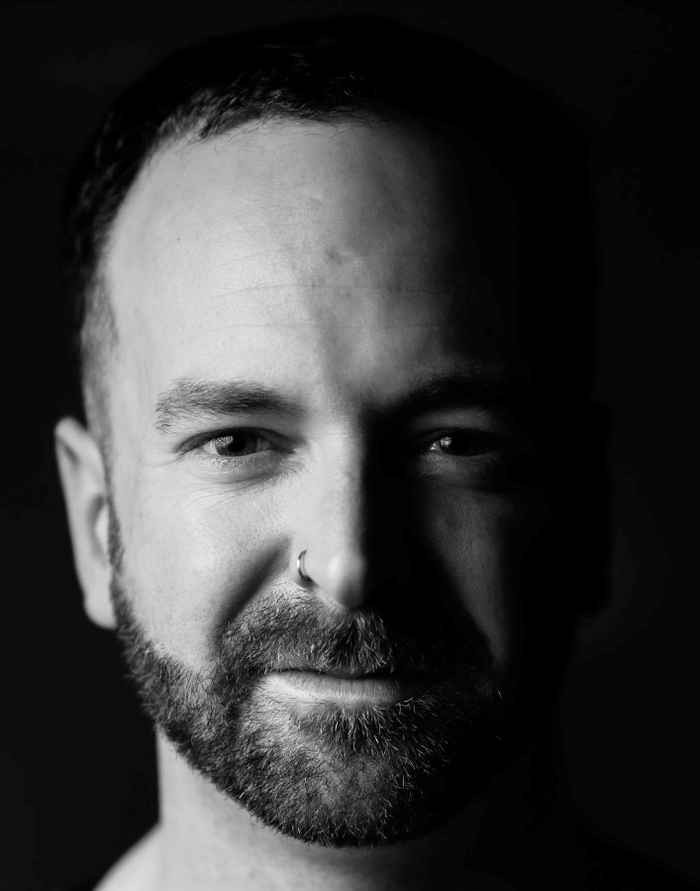
My project aims to build better frameworks for thinking about support, inclusion, and adulthood in different parts of the world
What impact do you hope your project will have, within your field and related domains, and for society more broadly?
'I hope my research contributes to anthropology by showing that intellectual disability is not a marginal topic, but a vital lens for rethinking personhood, agency, development and inequality', the anthropologist begins.
In addition to his ethnographic fieldwork in India, Patrick’s project is dedicated to building knowledge infrastructures and networks across these regions, developing relationships with NGO’s and assembling international reading groups for junior scholars.
'I hope these research infrastructures will enable other researchers to offer deeper insights for those facing these problems on the ground. My project aims to build better frameworks for thinking about support, inclusion, and adulthood in different parts of the world', the researcher concludes.
One such research network - the Intellectual Disability Social Research Lab - is launching on 30 June. This international group of researchers, led by Patrick and hosted by the UvA, is dedicated to researching the lived experiences of intellectual disability across countries and cultures, with a particular focus on the Global South. The event on 30 June celebrates the launch of the project website through an all-day hybrid workshop in collaboration with Centre for Social Science and Global Health (SSGH).
If you had to explain your research to a non-expert friend at a dinner party, how would you describe it?
‘I’d probably say: I study how families and communities make space for people with intellectual disability to live adult lives, and how that differs depending on class, caste, religion, gender, and access to support’, Patrick says.
‘On a larger scale, the question becomes: what counts as adulthood, independence, and belonging — and what actually defines those things, not in theory or policy, but in the everyday?’
What counts as adulthood, independence, and belonging — and what actually defines those things, not in theory or policy, but in the everyday?
Looking Ahead
Over the coming years, Patrick will continue building international research infrastructures to improve understanding of the lived experiences of ID in these areas. His research will take him to new fieldwork and collaborations in various communities in the Global South, the insights from which he intends to use to develop new conceptual and evidential grounding for how psychiatry, the WHO, and governments understand intellectual disability globally.
Meet the Researcher
Dr. Patrick McKearney is an Assistant Professor in the Department of Anthropology at the University of Amsterdam, where he is part of the Anthropology of Health, Care and the Body research group. A social anthropologist specialising in intellectual disability across cultures, his teaching touches on anthropological theory as it relates to religion, health, disability, psychology, and ethics. He is also actively engaged beyond academia, working with NGOs and policymakers to translate his research into meaningful change for people with disabilities and those who support them.