Who can still afford to live here? The silent struggle for the city
Urban geographer Wouter van Gent shows how housing policy has fuelled growing inequalities between neighbourhoods in the city.
21 May 2026
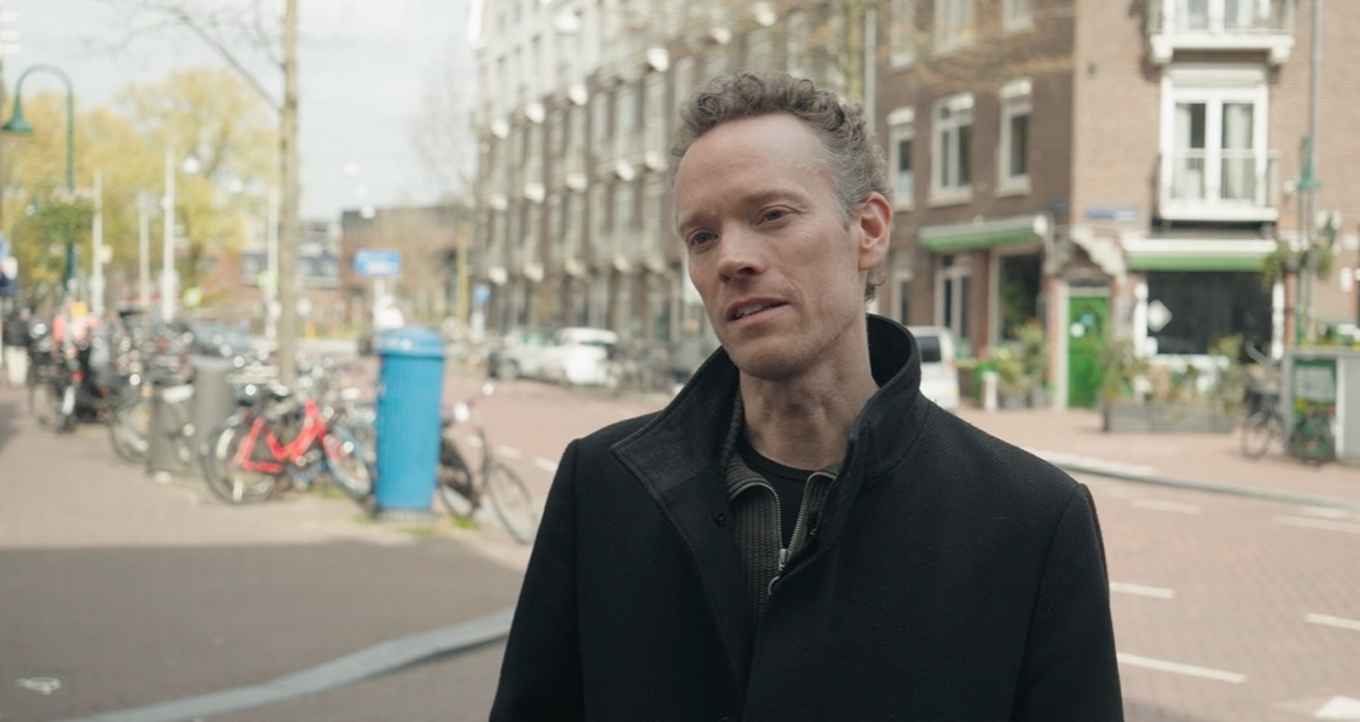
Segregation and gentrification: key concepts in urban development
To understand inequality in the city, Van Gent highlights two key concepts: segregation and gentrification.
Segregation means that groups of people mainly live in their “own” neighbourhoods while other groups live elsewhere. They also attend different schools, work in different places and shop in different supermarkets. This spatial separation is often along lines of income, education, background or religion. As a result, different groups live more alongside each other than with each other.
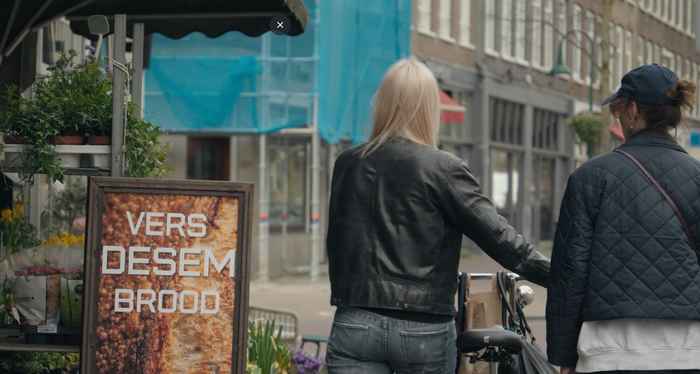
Gentrification is about neighbourhood change. Districts that once mainly attracted manual workers are now home to more affluent, highly educated residents. You can often see this in the spread of trendy cafés and pricier homes. That has two consequences:
- Some residents no longer feel at home because the atmosphere and the people around them are changing;
- Others have to move because rents and house prices have become unaffordable.
The Spaarndammerbuurt as an example of gentrification
For Van Gent, Amsterdam’s Spaarndammerbuurt is an interesting example: ‘This was once a genuine working-class neighbourhood for dockworkers. Today it is one of the most mixed districts in Amsterdam. There are still many social housing units, but expensive apartments have been added, sometimes replacing social housing.’
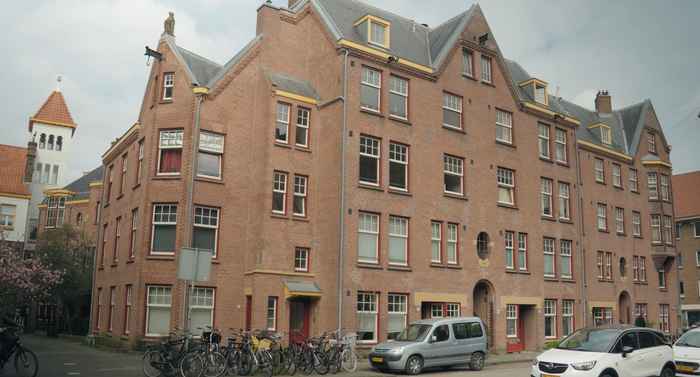
One place where you can see this clearly is the Hembrugstraat: ‘Homes in this street used to be social housing, but were sold, merged and refurbished. They’re now listed on Funda for almost a million euros. For original residents, that’s out of reach.’
Not just an Amsterdam story
Gentrification isn’t only an Amsterdam phenomenon, Van Gent explains. Researchers first saw examples in the Jordaan, but you now see the same patterns in large cities such as Utrecht and Rotterdam and in smaller cities like Nijmegen, Groningen, Zwolle and Maastricht. This is also linked to demographic change: the Netherlands has an ever larger highly educated population, and more than before they want to live and work in the city.

How housing policy reinforces gentrification
Van Gent stresses that these developments don’t happen by themselves: they reflect both population shifts and housing policy. For years, municipalities actively encouraged gentrification, he explains: ‘By selling social housing, they wanted to create mixed neighbourhoods. But the city’s popularity was underestimated. In many places, the pattern slid along: from predominantly low-income residents, to a mixed neighbourhood, to predominantly affluent residents.’

The people shaping the city often resemble the people the city is becoming attractive to
On top of that, policy is often made by people who themselves belong to the new, more affluent residents; the so-called “gentrifiers”. Van Gent: ‘The people shaping the city often resemble the people the city is becoming attractive to. They understand this group’s wishes well, but are less quick to see what original residents need.’
Less tolerance and political understanding
Although segregation can sound abstract, it has very concrete, harmful effects on daily life. Less contact between groups means less mutual understanding. People are less exposed to others’ lives and ideas. Research shows that when different groups do meet, it can foster more tolerance and greater political understanding.
Housing inequality can literally get under people’s skin.
Does your neighbourhood affect your health?
US research shows that growing up in “poor neighbourhoods” - with high stress due to insecurity, poor schooling and limited social amenities - also harms your chances of a good, healthy future. Dutch cities are more compact and often more mixed than US cities, so the divide between “good” and “bad” neighbourhoods in the Netherlands is less stark. But the question still applies here: does your address predict your life chances?
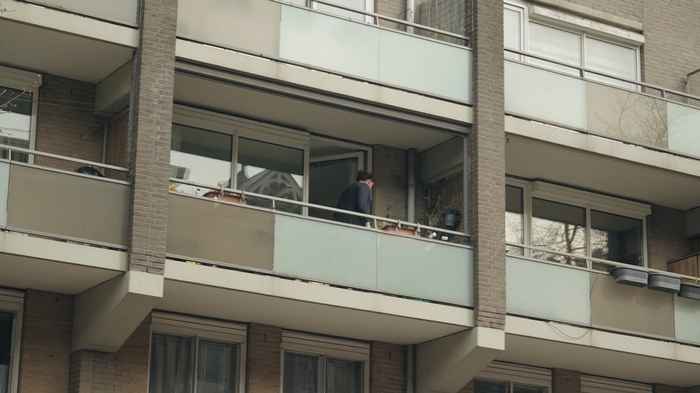
Van Gent explored one aspect of this question with colleagues at the UvA, the City of Amsterdam, the Municipal Public Health Service (GGD), housing associations and De Gezonde Stad. The project looked specifically at residents’ health. They compared the living environments of tenants and owner-occupiers in Amsterdam across many dimensions: how much green space there is, noise levels, and air quality. The 2023 article (in Dutch) is clear: on average, tenants live in much poorer environments than owner-occupiers. Van Gent: ‘We’re working on follow-up research, but the implication is clear: housing inequality can literally get under people’s skin.’
There will always be places in these cities where different groups meet.
What do these developments mean for the city?
That Dutch cities are changing fast is clear. In Amsterdam, Van Gent expects two developments:
- The city will keep growing; Amsterdam’s boundaries will stretch further outward. Towns such as Zaandam, Amstelveen, Purmerend and Hoofddorp will become more intertwined with the capital.
- The average Amsterdammer will be wealthier and the pressure on popular neighbourhoods around the centre will increase further.
This doesn’t mean the city will soon be only for the rich. ‘I expect a significant share of social housing will remain in cities like Amsterdam. So there will always be places in these cities where different groups meet.’
Curious about what inequality of opportunity is and what we can do about it?
Watch our animated video!
English subtitles available.