Creative Methodologies for Studying Changing Climates
- Start date
- 16 September 2026
- End date
- 17 September 2026
- Location
- University Library
- Room
- Chirurgisch theater
Extreme weather conditions, driven and intensified by the global climate emergency, are increasingly affecting societies around the world. As climatic threats become more frequent and severe, researchers are developing new methodological approaches to better understand the role of emotions in how individuals and communities experience climate impacts and respond to changing environmental, social, and cultural conditions.
Bring different perspectives into dialogue
While disciplinary research has examined topics such as embodied experiences, sensory responses, environmental meaning-making, and the influence of emotions on climate action and adaptation, there is a growing need to bring these perspectives into dialogue. This symposium addresses this gap by exploring how diverse and creative methodologies can deepen our understanding of what it means to prepare for, respond to, and live with climate change.
Register here
Would you like to join us? You can register for the symposium here.
Intersections between emotion, space, and weather
Bringing together scholars from across the social sciences and allied fields, the symposium focuses on the intersections between emotion, space, and weather, examining the experiential, material, and environmental dimensions of inhabiting changing climates. Through interdisciplinary exchange, the event aims to generate new insights into how emotions shape climate knowledge, engagement, and collective responses to uncertain environmental futures.
The symposium will feature a series of keynote lectures and paper presentations. For more details, see our programme.
Keynote lectures
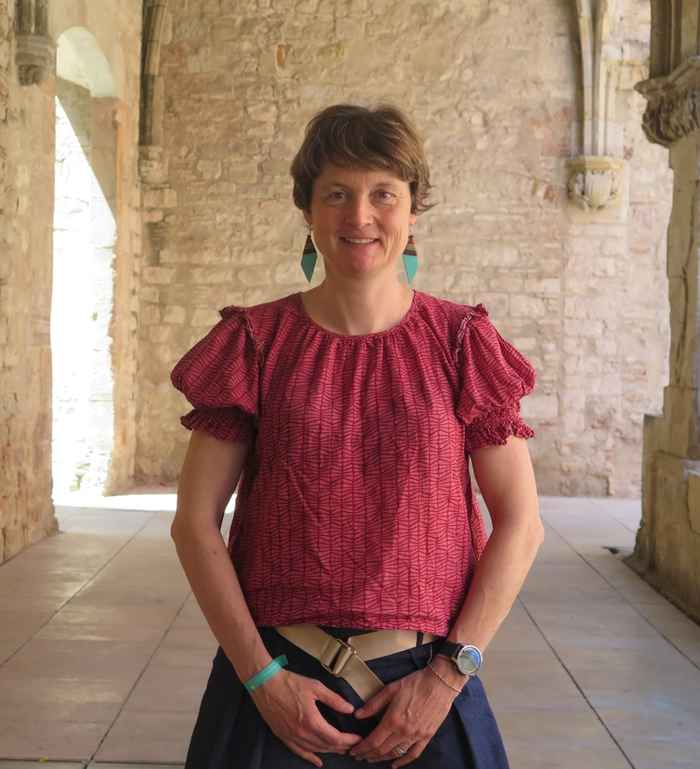
Isabelle Anguelovski
- 16 September 2026 | 11.00 – 12.00
Joy, Opportunities, and Trade-offs in Engaged Research: (Re)Conciliating Priorities and Capacities for Academics and Partners
In this talk, Isabelle reflects on the opportunities and challenges of engaged research—research conducted in close collaboration with communities, grassroots organizations, and public institutions to address environmental and climate injustices. Drawing on examples from Barcelona, Boston, and other cities, she shows how collaborative research can document lived experiences of climate vulnerability, co-produce knowledge, and support struggles for housing and climate justice. At the same time, Isabelle examines the tensions that often accompany this work: balancing academic expectations with community priorities, navigating power and positionality, and avoiding extractive relationships even in well-intentioned partnerships. She argues that engaged research requires ongoing negotiation between scholarship, activism, and institutional constraints. Through examples of participatory methods, community partnerships, and policy engagement, researchers are invited to consider how their work can contribute to social change while remaining attentive to the ethical, political, and personal trade-offs that shape engaged research practice.
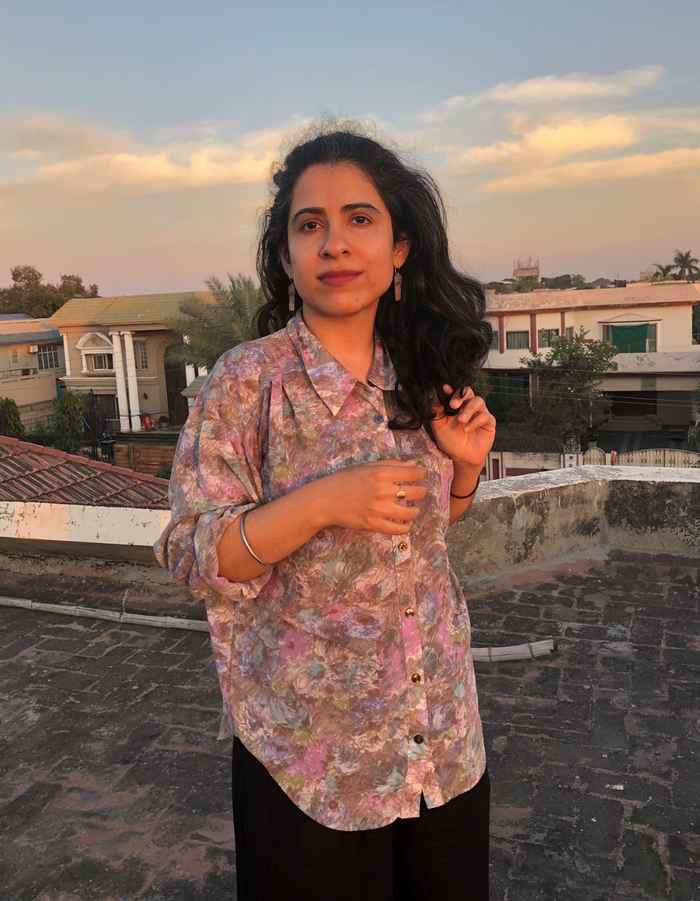
Hira Nabi
- 17 September 2026 | 11.00 – 12.00
Becoming Volcanic: Cracking, Erupting, Sleeping, Singing
Is it possible to feel as a volcano? Or to sense the moods of a glacier? In the summer of 2026, Hira Nabi traveled to two glaciers in Gojal Valley, Pakistan, and communed with them, remained in attendance with their shapeshifting movements, and heard their laments as they broke apart, and reformed in front of her, around her, and beneath her feet. She also dedicated a sonic offering to an underground volcano in the Gulf of Napoli, and in that process, started to embrace volcanic shifts and energy. As she locates kinship with more-than-human life forms, with ancient time cycles, and lives on a dying planet, breathing, dreaming, and lament become more resonant. In this talk, she attunes herself, and us to listening, and sharing presence, in more expanded and immersive positions.