Nine UvA researchers receive ERC Consolidator Grants
9 December 2025
The grants allow the academics to establish themselves as independent research leaders. The Consolidators are part of the European Union's Horizon Europe programme.
The UvA recipients:
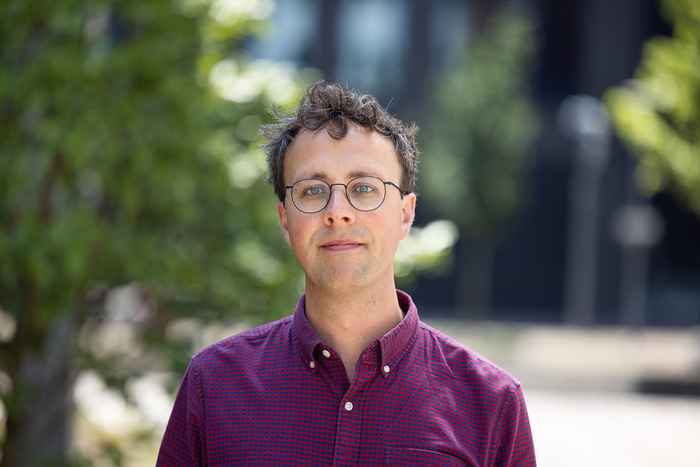
Prof. Thijs Bol (Amsterdam Institute for Social Science Research) - FIRMS: How the Workplace Structures Career Inequality
Over recent decades, economic inequality has increased in most societies. Research shows that workplaces—or firms—play an important role in shaping these inequalities, yet we still know little about why they matter so much. This project examines how firms affect people’s career trajectories and how workplaces can have lasting effects on careers. It studies how firms create new or reinforce existing inequalities along two key axes of labor market inequality: gender and ethnicity. A central aim is to uncover the mechanisms behind these patterns—when does a workplace offer career opportunities, and when does it limit them? This project will not just advance our knowledge of inequality, but also provide insights into how firms can mitigate it.
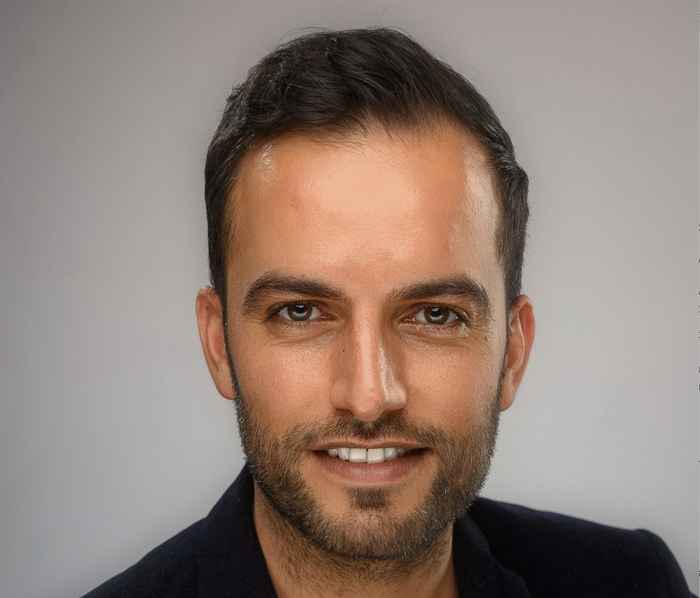
Dr Jaron Harambam (Amsterdam Institute for Social Science Research) – Dealing With Distrust: How Public Organisations Respond To Conspiracy Theories
Many European citizens no longer trust their own societal institutions to work for the public good, but instead imagine them to be governed by a shadowy cabal with nefarious motives. While there has been much research on conspiracy theories, we know surprisingly little about how the institutions targeted by conspiratorial distrust actually deal with such challenges to their legitimacy. Harambam’s project will therefore seek to understand how public organisations define and deal with conspiratorial distrust. It will study four key societal institutions (media, government, science and education) in three European countries (The Netherlands, Italy and Poland), and on the supranational (EU) level, using various qualitative research methods to provide robust comparative sociological understandings.
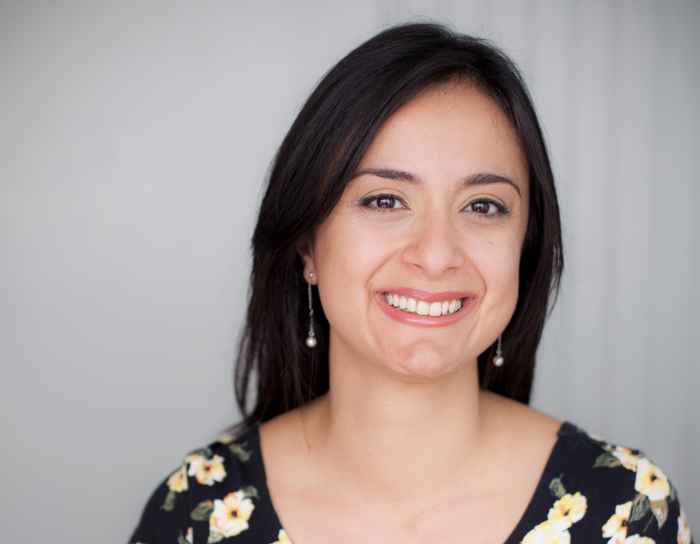
Prof. Eirini Karyotaki (Psychology Research Institute) – Unveiling the Heterogeneity of Treatment Effects in Psychotherapy for Depression: A Synthesis of Individual Patient Data (SYNTHESIS)
Depression affects hundreds of millions worldwide, yet more than half of patients do not respond to treatment. This highlights an urgent need to optimise response rates through targeted approaches that account for the heterogeneity of treatment effects driven by individual patient and contextual differences. Karyotaki’s project will introduce a novel computational framework integrating Individual Patient Data (component) Network Meta-Analyses with machine learning to advance precision psychology. The project reconceptualises psychotherapy as a dynamic, context-sensitive network of interventions and identifies which treatments and components work best for whom. Through the largest IPD infrastructure attempted to date in psychotherapy research, SYNTHESIS will generate predictive models and open clinical decision tools, paving the way for personalised mental healthcare.
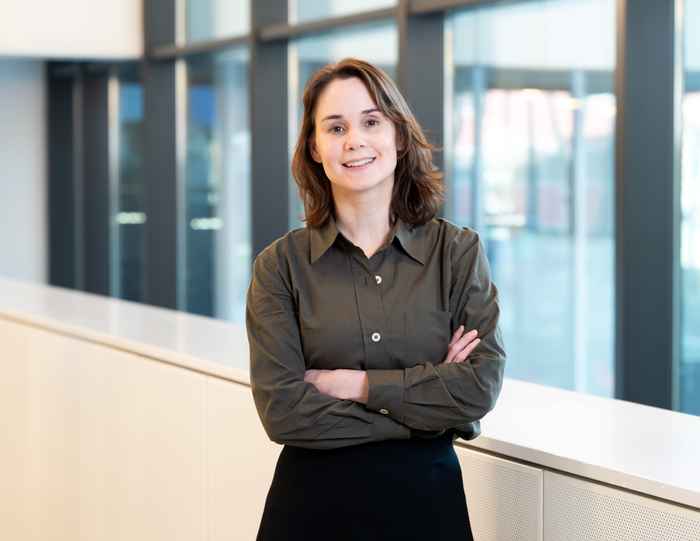
Dr Patty Leijten (Research Institute of Child Development and Education) - Parenting in Times of Global Uncertainty: Understanding and Cultivating Parental Hope
Today’s parents raise their children in times of environmental and geopolitical crises. In times of uncertainty, many parents become more protective of their child, aiming to shield them from looming menace. Yet some parents respond differently. Faced with threats to their children’s future, these parents not just refrain from protectiveness, but actively seek exploration and interpersonal connection. Our current scientific models fail to explain this seemingly counterintuitive behaviour. The PARENTALHOPE project launches a new program of research to understand resilient parenting in times of uncertainty. It will test a new model of parental hope in countries across Europe and crowdsource, forecast, and stringently test interventions to cultivate parental hope in uncertain times.
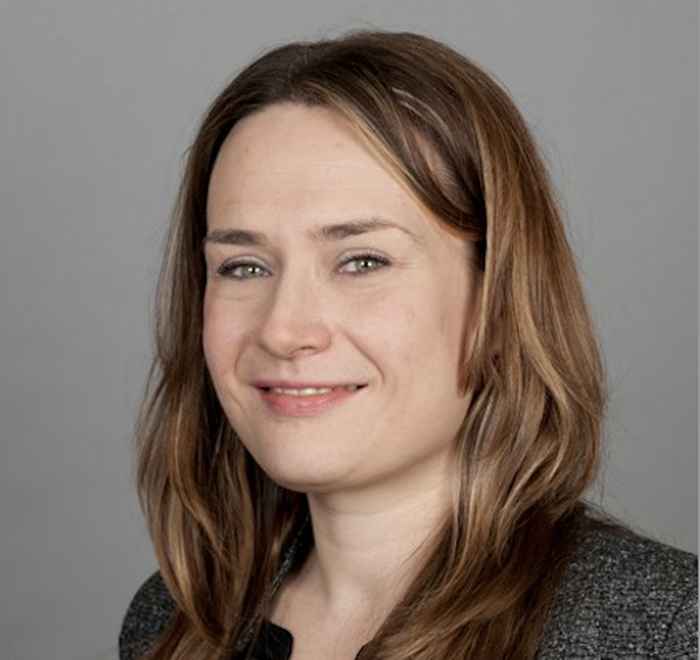
Dr Dora Matzke (Psychology Research Institute) – Next-Generation Cognitive Testing: A Theory-Driven Approach to Multi-Scale Dynamics in Cognition
Our cognitive performance – how well we pay attention, memorise information, and make decisions – naturally fluctuates over time. Attention drifts, alertness changes throughout the day, and our abilities shift with learning, fatigue or stress. These fluctuations affect almost everything we do, from everyday tasks to high-stakes situations, yet we still know surprisingly little about what causes them or how they unfold over time. Matzke’s project will develop the first comprehensive theoretical framework to explain why cognitive abilities change from moment to moment and across days and weeks. The aim is to move beyond traditional laboratory-based assessments toward dynamic, context-sensitive tools that help understand – and ultimately support – cognitive performance in various settings, such as education, the workplace and human-machine interaction.
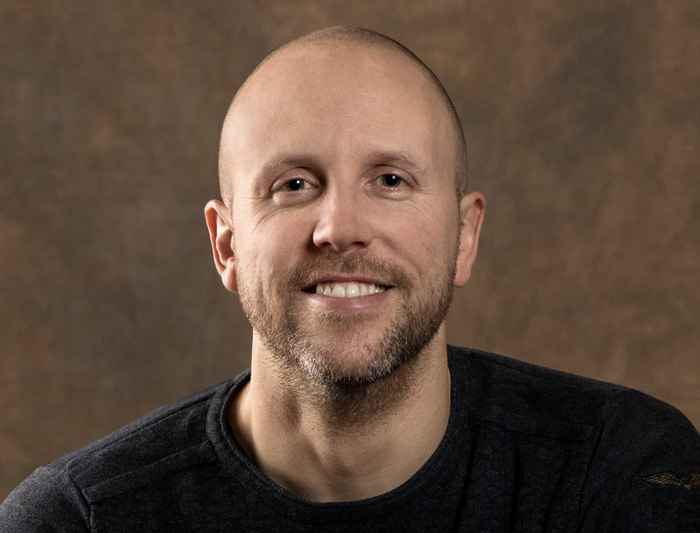
Prof. Matthijs Rooduijn (Amsterdam Institute for Social Science Research) – IMMERSE: Can Immersive Narrative Interventions Strengthen Support for Liberal Democracy?
Liberal democracy is under growing pressure. One of the reasons is that public commitment to its core principles is weaker than often assumed. IMMERSE investigates whether support for liberal-democratic principles can be strengthened through immersive narrative interventions – storytelling, live theatre, video games and virtual reality – that engage citizens more deeply than conventional descriptive or argumentative communication. Rooduijn’s project wil brings together research on democratic citizenship and narrative persuasion to identify which narrative features and communication formats are most effective, and highlights the central role of emotions in strengthening support for liberal democracy. IMMERSE’s findings will offer a new framework for understanding how support for liberal democracy can be fostered and provide educators and policymakers with concrete tools for real-world implementation.
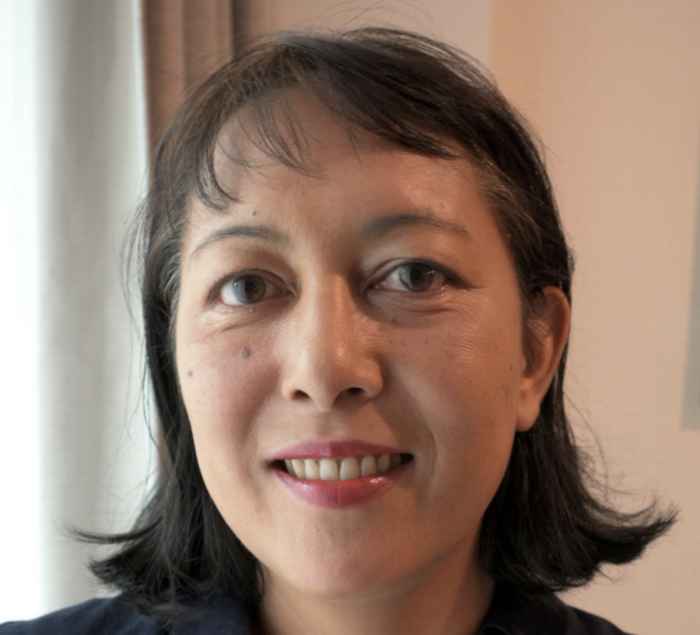
Dr Yatun Sastramidjaja (Amsterdam Institute for Social Science Research): Activist Techtopias: Crafting Alternate Infrastructures of Resistance in Asia.
In a time of deepening digital repression and algorithmic control, democracy and grassroots movements across Asia face increasing restrictions on political expression and find their capacity to mobilise thwarted by sophisticated cybersurveillance, repressive cyberlaws, regime-affiliated trolls and internet shutdowns. In this project, Sastramidjaja examines how activists adapt and innovate by experimenting with new practices and uses of digital, analogue and material technologies – or technological craftsmanship – both to dodge the repression and to disrupt the infrastructures that enable it. She will examine how different realms of technological and political activism converge in these efforts, and in doing so prefigure viable technopolitical futures, while navigating paradoxes of dependency on the very infrastructures they seek to subvert.
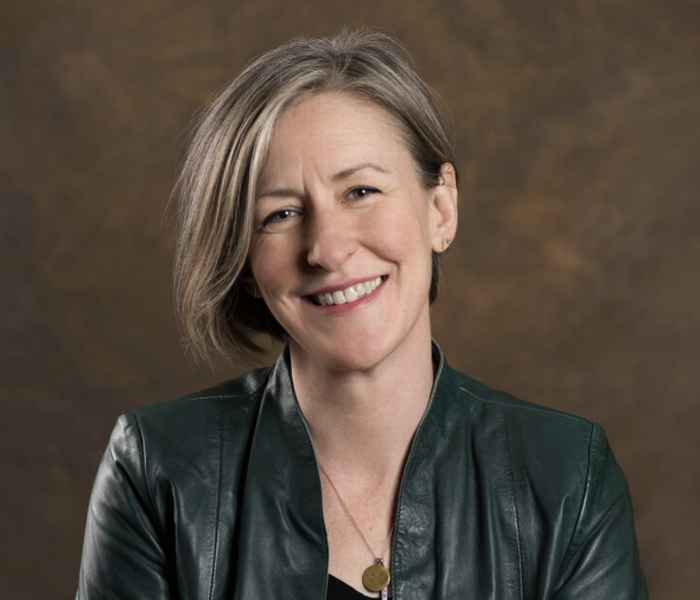
Dr Abbey Steele (Amsterdam Institute for Social Science Research) - Protect and Repress: The Logic of Government Responses to Internal Displacement (GRID)
Of the 120 million people displaced by violence today, most remain within their own countries. These internally displaced people (IDPs) hold citizenship-based rights, and states often pledge to protect them with aid, security and services. Yet governments frequently fail to uphold these commitments and even repress IDPs, confining them to camps or displacing them again. While we know much about how governments treat refugees, we know far less about how they treat their own displaced citizens. GRID addresses this gap through a new global dataset on government protection and repression of IDPs, an original theory of state responses as strategic political choices, and multi-method case studies of Burundi, Colombia and Iraq. GRID’s findings will illuminate links between internal displacement, refugee flows, political cleavages and the ways states exercise power.
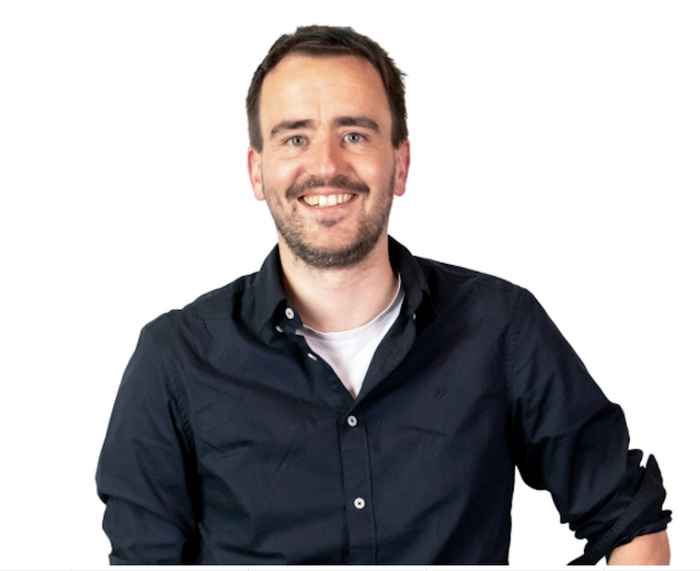
Dr Jordy de Vries (Institute of Physics) - The Common, the Rare, and the Unseen: Precision Theory for Precision Experiments
Particle physics faces major challenges, such as the absence of antimatter and the origin of neutrino masses. While particle physics is typically associated with high-energy colliders, low-energy high-precision experiments offer a promising alternative for making new discoveries. The success of the precision programme depends on a combination of both theoretical and experimental accuracy. In my project, I will develop new tools to enhance the accuracy of key measurements of well-known particle decays (the common), extremely infrequent atomic processes (the rare), and yet-to-be-discovered phenomena (the unseen). The corresponding processes are targeted by an intense world-wide experimental programme that could reveal the nature of neutrino masses, explain the matter-antimatter asymmetry, and disrupt our understanding of elementary particles. This project will bridge low-energy experiments with high-energy particle physics and cosmology.
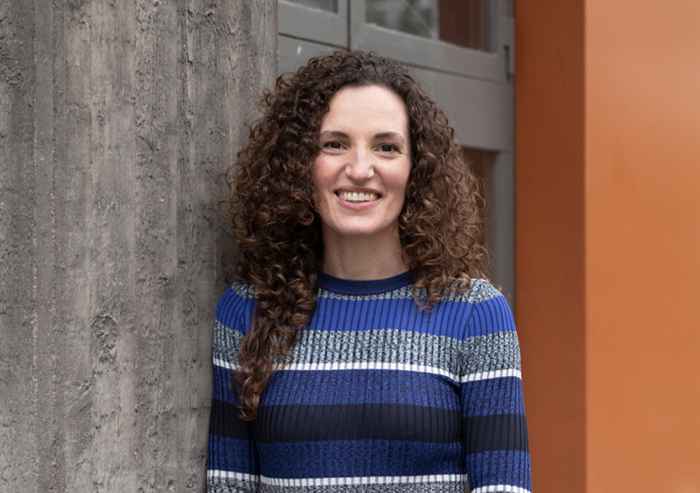
In addition to the nine UvA laureates, Katja van der Hurk, professor by special appointment at the UvA, will receive a Consolidator Grant. Van der Hurk’s application was made from Sanquin.
In her project - DONOR-PROTECT: Redefining Standards for Sustainable Blood and Plasma Collections through Personalised Donor Health Protection Strategies - Van den Hurk will focus on developing personalised algorithms to protect the health of blood and plasma donors. By tailoring donation types, intervals and interventions to risk profiles, she will work toward a sustainable, ethical and scientifically sound blood and plasma supply system.